
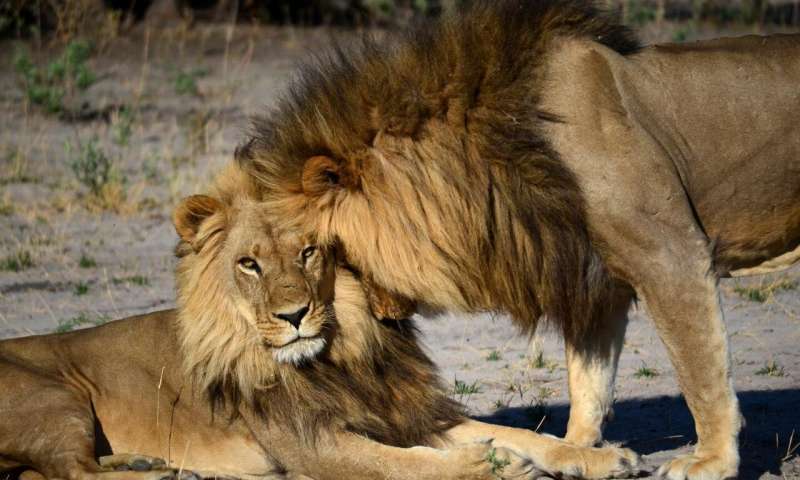
Kasim Rafiq had gone through throughout the day in the forests of Botswana searching for a one-eared panther named Pavarotti—with no karma—when his Jeep sank flame broil first into a relinquished warthog tunnel. After two hours, disappointed and depleted in the wake of removing his vehicle, he passed a few sightseers on safari. He enlightened the aides concerning what had occurred, and they snickered. They’d seen Pavarotti before that morning.
The experience got Rafiq, an untamed life scientist at Liverpool John Moores University in the United Kingdom, thinking: Wildlife vacationers experience creatures like Pavarotti consistently and take several photographs. Yet, when the vacationers leave, they take that information with them. Rafiq pondered whether there was an approach to utilize the photographs they took for research. Presently, a month’s long preliminary with two dozen unique gatherings of visitors proposes in addition to the fact that it is conceivable; it’s far less expensive than customary techniques for following.
To check huge creatures like lions and hyenas in a given zone, specialists normally utilize one of three techniques. They use movement activated camera traps to photo passing creatures. They search for tracks by driving along foreordained courses. At long last, they carry the creatures to them by playing sounds at explicit stations. (In case you’re keen on lions, Rafiq says, “you play the sound of a perishing wildebeest.”)
Be that as it may, every one of these techniques have their downsides. Camera traps, for example, are costly and effectively thumped somewhere near inquisitive animals. At the point when it’s excessively dry or excessively blustery, tracks don’t appear in the residue. Furthermore, specialists frequently experience issues getting grants for bring in stations, particularly in territories with heaps of vacationers.
To test the technique for utilizing vacationer photographs, Rafiq and his partners studied the populaces of a few huge carnivores in Botswana’s Okavango delta, including lions, hyenas, panthers, wild mutts, and cheetahs utilizing customary strategies. They at that point had in excess of 50 individuals in 26 visit gatherings give safari photographs more than 3 months.
Before they set out, travelers were equipped with GPS gadgets to record their area at 1-minute interims. When they returned, they transferred more than 25,000 photographs to Rafiq’s PC. Rafiq and his group labeled the photographs with times and areas and distinguished individual creatures dependent on examples on their appearances or bodies. They at that point evaluated the quantity of creatures in the region utilizing PC models.